


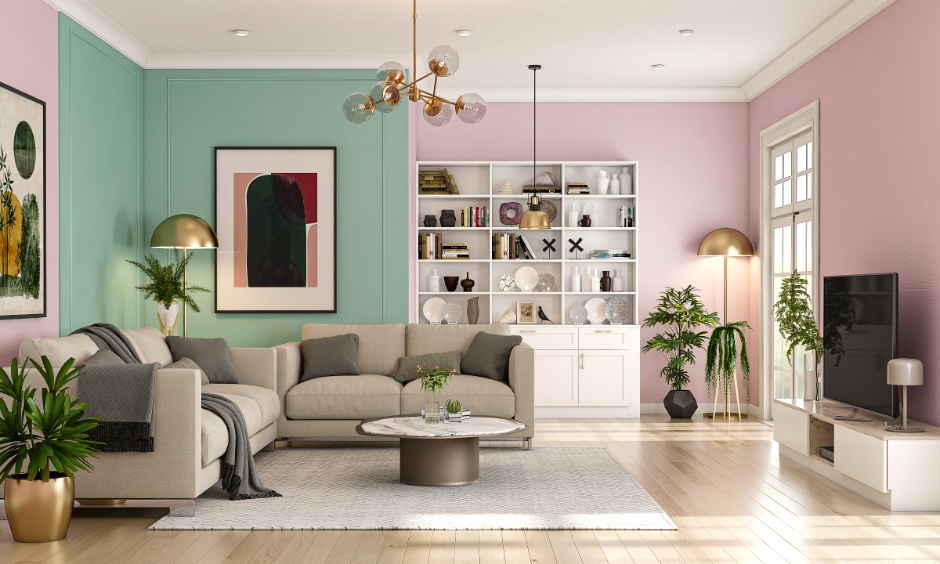
The living room continues to be one of the most important areas in any home, serving as a space for relaxation, socialising, and everyday activities. In 2026, living room design is evolving to prioritise comfort, functionality, and a stronger connection to natural elements. Rather than focusing only on appearance, current trends emphasise creating a balanced environment that supports modern lifestyles.
Refreshing a living room does not always require a complete redesign. Strategic updates such as improving furniture layout, introducing layered lighting, and selecting materials that enhance comfort can significantly improve both the look and usability of the space. Seating choices, in particular, play a key role in shaping how the room functions daily. For example, incorporating versatile options like chaise lounges in Perth homes can help create a more relaxed and flexible seating arrangement while maintaining a clean and modern aesthetic.
What Living Room Trends Can Refresh Your Space
Warm and Natural Colour Palettes
In 2026, interior colour schemes are moving towards warmer and more grounded tones that create a welcoming and calming atmosphere. Shades such as beige, soft brown, and olive green are becoming increasingly popular because they bring a sense of balance and connection to natural elements. These colours are versatile and pair well with a variety of materials, including wood, stone, and natural fibres, making them ideal for modern living rooms.
To incorporate this trend effectively, start with soft furnishings such as cushions, rugs, and curtains in warm tones. This approach allows you to refresh your living room subtly yet meaningfully, creating a space that feels both stylish and grounded in nature.
Comfort-Driven Furniture Choices
In 2026, furniture design is prioritising comfort like never before. Sofas and cheap bed frames are being designed with deeper support to ensure long-lasting comfort for daily use. Materials are carefully selected not only for their aesthetic appeal but also for durability and softness, striking a balance between style and practicality.
Investing in furniture with ergonomic design features can significantly improve posture and reduce physical strain, making everyday living more comfortable. High-quality upholstery materials, such as premium fabric blends or supple leather, contribute to a luxurious feel while ensuring longevity. Thoughtful choices in furniture and accessories create a home environment that supports relaxation, well-being, and functional style without sacrificing elegance.
Multi-Functional Living Spaces
With changing lifestyles, living rooms in 2026 are no longer just spaces for relaxation. They are evolving into multi-functional hubs that serve a variety of needs. Modern living spaces often double as work-from-home areas, entertainment zones, reading corners, or hobby spaces, requiring layouts and furniture that can adapt to different activities seamlessly.
Flexible furniture solutions are key to making the most of these multi-purpose rooms. Modular sofas, storage ottomans, foldable or compact desks, and movable shelving units allow you to reconfigure your space according to the activity at hand. By integrating adaptable pieces and thoughtful layouts, multi-functional living spaces can cater to diverse needs without compromising on comfort or aesthetic appeal.
Statement Lighting as a Design Feature
Lighting is becoming a central element in interior design, moving beyond simple functionality to actively shape the look and feel of a room. In 2026, well-chosen lighting can transform a living space by highlighting key areas, creating mood, and adding character.
Incorporating distinctive pieces such as a striking floor lamp, pendant light, or table lamp introduces visual interest and serves as a focal point. Careful consideration of light placement and style can elevate the overall design, turning everyday lighting into a statement feature that complements the room’s decor while supporting practical needs.
Personalised and Meaningful Decor
In 2026, personalisation is a major focus in interior design. Instead of adhering to uniform styles, homeowners are creating spaces that reflect their individual tastes, memories, and experiences. Incorporating artwork can make the living room feel more inviting and unique. Mixing modern and traditional elements can create a balanced and distinctive interior that reflects personal style while maintaining harmony. Thoughtful selection of decor allows every living space to feel meaningful and authentic, turning a room into more than just a functional area.
Conclusion
Living room trends in 2026 highlight the importance of creating spaces that are both functional and visually appealing while reflecting personal style. By prioritising comfort through well-designed furniture, incorporating flexible layouts for multi-purpose use, and using lighting as a design feature, you can transform your living rooms into inviting and practical spaces. Ultimately, these trends encourage a balanced approach that blends style, comfort, and functionality. A well-planned living room in 2026 not only supports everyday activities but also creates an environment that promotes relaxation, social connection, and a sense of personal identity.
Frequently Asked Questions
What is the main focus of living room trends in 2026?
The main focus is on creating a balance between comfort, functionality, and style while incorporating natural elements and personal touches.
How can a living room be refreshed without a full redesign?
Refreshing can be achieved through changes in furniture layout, adding layered lighting, updating soft furnishings, or introducing statement decor pieces.
What colours are popular for living rooms in 2026?
Warm and natural tones such as beige, soft brown, olive green, and muted earthy shades are trending for a calm and welcoming atmosphere.
Why is lighting important in living room design?
Lighting shapes the mood, highlights key areas, and adds visual interest. Using a combination of ambient, task, and accent lighting can enhance both functionality and aesthetics.
How can personalisation be incorporated in decor?
Displaying artwork and mixing modern and traditional elements allows the room to reflect individual tastes and experiences while maintaining a balanced design.