


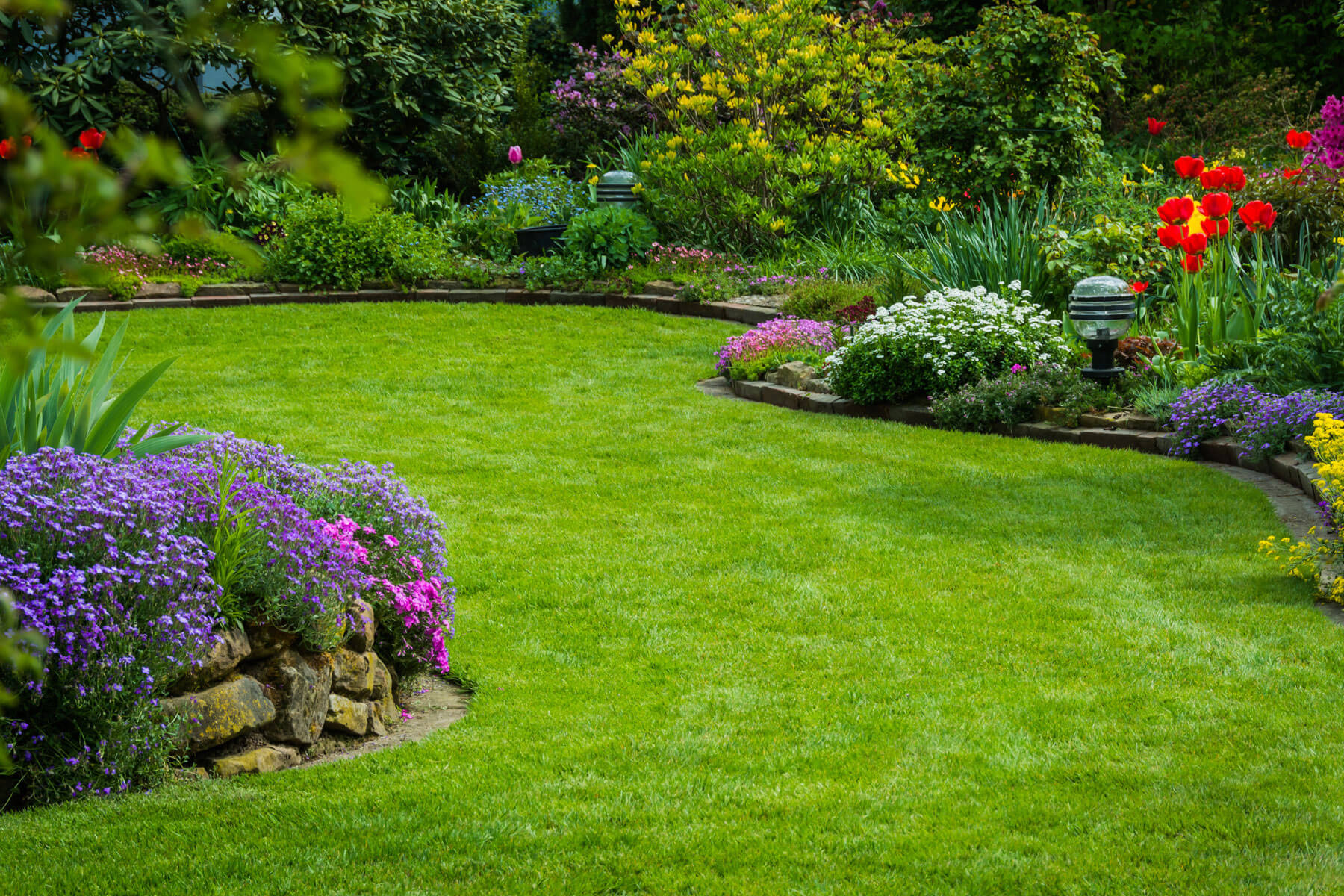
Why settle for flat and forgettable when your garden could rise, unfold and surprise at every turn? Tiered landscaping turns even the humblest patch into something striking, smart and full of charm.
If you’re ready to build upwards and think boldly, this is where the next chapter begins.
Discover the Beauty and Benefits of Tiered Garden Design
There’s a certain magic in transforming an ordinary slope into a garden with presence. Multi-tier landscaping, with its clean structure and clever use of levels, turns even the most awkward plots into inviting sanctuaries.
It’s as practical as it is beautiful, solving problems like erosion, poor drainage and patchy sunlight while adding a touch of architectural charm.
The method is fairly straightforward. Your space is divided into stepped platforms, typically separated by a height of 30 to 90 centimetres.
These tiers can be formed using retaining walls, wooden borders or stone barriers, each holding soil in place to form its own microclimate.
The result? More space than you might think. A sloped plot measuring just 6 by 9 metres could gain up to 40% more planting surface once tiered, offering room for a greater variety of plants and more imaginative layouts.
Success lies in working with your land, not against it. Following the natural contours keeps costs in check and reduces future upkeep.
Choose Materials That Look Good and Last
Selecting the right materials for your terraces is about more than just aesthetics. It’s a matter of durability, climate resilience and how much maintenance you’re willing to manage.
When chosen carefully, these foundations not only last; they elevate the entire garden arrangement.
Natural stone, such as slate or sandstone, brings a timeless elegance and weathers gracefully over the years. Timber offers warmth and texture, ideal for rustic settings or budget-friendly projects.
Just keep in mind that even treated wood generally needs replacing every 10 to 15 years.
Climate should guide your choices too. Coastal gardens benefit from salt-resistant materials like granite or marine-grade hardwoods. In wetter areas, gabions filled with stone offer excellent drainage and a modern, layered appearance.
If you’re leaning towards sustainability, reclaimed materials add character and reduce your environmental impact.
Salvaged York stone carries an aged charm, while recycled plastic timber is maintenance-free and long-lasting, although it may stretch your budget a little more.
Plant with Purpose Across Every Level
With every tier offering a new opportunity, planting becomes more like composing a story than simply filling beds. Think of your garden as a theatre, where each level has its role and moment in the spotlight.
Start by placing taller, structural plants like compact trees or ornamental grasses along the top tiers. These create a sense of height and privacy, while forming a leafy backdrop that anchors the space.
In the middle tiers, try flowering shrubs, hardy perennials or statement foliage like hostas. Use smaller herbs or ground covers near paths and steps to soften the edges.
Additionally, aim for texture and contrast as much as colour. Pair fine foliage with bolder leaves, or alternate light and dark tones to draw the eye from level to level.
Succulents, ferns and low-maintenance perennials can offer structure without demanding too much attention.
To keep things lively year-round, build your palette with seasonal stars: hellebores in winter, daffodils in spring, lavender through summer and asters for autumn.
With careful planning, each section can offer a moment of interest, no matter the season.
Add Charm and Structure with Thoughtful Hardscaping
Paths, steps and retaining walls are more than functional features. When well designed, they shape how you move through the space and how each tier feels underfoot and to the eye.
Paths should feel like gentle invitations rather than strict corridors. Curved routes often work better than straight ones, adding an element of discovery.
Gravel suits casual gardens, stone paths offer formality, and reclaimed bricks bring instant charm.
Retaining walls, while essential for holding back soil, also offer a chance to express your style. Use them to frame planting, highlight transitions or provide seating ledges.
However, taller walls will require foundations and drainage, so do consult a garden design team before breaking ground.
Steps should feel secure and natural. Timber sleepers can be warm and inviting, while stone has a more formal finish. Just make sure whatever you choose has adequate grip. Limestone looks lovely but becomes treacherously slippery in rain unless it’s textured.
And don’t overlook lighting. Even a few well-placed path lights or uplighters can turn a pleasant garden into an atmospheric retreat after sunset.
Keep Water Flowing Where It Should
With all that structure comes a key responsibility: managing water. In a tiered garden, drainage is crucial. Poor planning here can lead to waterlogged beds, soggy steps and, in the worst cases, structural damage.
Start by giving each level a subtle slope, guiding excess water downward to the next tier rather than letting it pool.
Beneath the soil, create drainage layers with gravel or install perforated pipes to move water away before it becomes a problem.
Beyond that, automated irrigation systems are a smart investment, especially for larger or sunnier gardens.
These can be tailored to deliver the right amount of moisture directly to each zone, helping you save water while keeping your plants healthy.
Think about your planting in terms of water needs, too. Thirsty varieties should go near the top, where they’ll catch run-off, while hardy or drought-resistant types suit lower levels that may dry out faster.
Maintenance Made Simple
Though multi-tier gardens might look intricate, the maintenance doesn’t need to be. With a few simple habits, you can keep things looking fresh and flourishing all year.
Prune regularly to keep growth in check and paths clear. Pay particular attention to plants near steps and seating, and remove any dead or damaged stems before they invite disease.
Likewise, mulching is a real time-saver. Apply a generous layer in spring and again in autumn to retain moisture, suppress weeds and nourish the soil. It’s one of the simplest ways to improve plant health across all levels.
When switching out plants, take a moment to check how well water is draining and whether any stonework needs attention. This small habit helps catch early signs of shifting or erosion before repairs become a bigger job.
Moreover, watering routines will shift with the seasons. Lower terraces often stay damper longer than upper ones, so adjust accordingly. A small notebook or phone app can help you track what works best.
For those who prefer minimal fuss, landscaping specialists can help plan a layout that’s easy to care for and evolves gracefully over time.
Conclusion
Terraced gardens aren’t just clever—they’re a bit magical. Each step, each layer, opens up new possibilities for beauty, structure, and delight.
So go on, grab your spade and start plotting—your dream garden is only a few levels away.